


Choosing between burial and cremation is a personal decision shaped by family traditions, religious beliefs, environmental concerns, finances, and the kind of remembrance a household wants to create. Neither option is universally better. The right choice is the one that reflects the deceased person’s wishes and gives surviving family members a clear, manageable way to grieve.
What is the basic difference between burial and cremation?
Burial places the body in the ground, usually in a cemetery, after a funeral or memorial service. Cremation uses controlled heat to reduce the body to cremated remains, which may later be buried, placed in a columbarium niche, kept by relatives where legally permitted, or scattered in an approved location.
Both choices can include a viewing, religious ceremony, private gathering, graveside service, or celebration of life. Cremation does not prevent a traditional funeral, and burial does not require a large public ceremony.
The most useful first question is not simply, “Which costs less?” It is: What type of farewell would feel appropriate for this person and practical for the family?
Why do families choose burial?
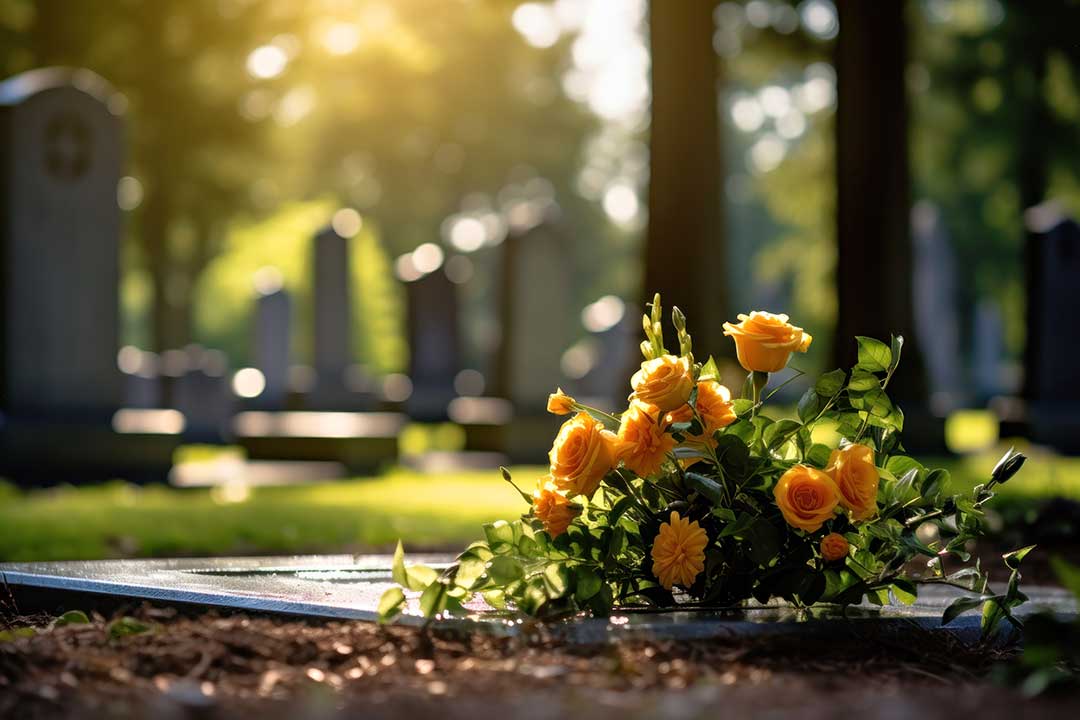
Burial often appeals to people who value a permanent gravesite. A cemetery location can give relatives a familiar place to visit, decorate, pray, or mark anniversaries. This can be especially meaningful when several generations are buried in the same cemetery or when religious customs call for interment.
Burial may also provide a stronger sense of physical continuity. Some families find comfort in knowing exactly where their loved one rests. A graveside service can offer a distinct moment of closure, particularly when family members want a formal gathering soon after death.
Burial usually involves several decisions:
- Selection of a cemetery plot or mausoleum space
- A casket or other approved burial container
- An outer burial container if required by the cemetery
- Embalming or refrigeration if there will be a public viewing
- A headstone, marker, or inscription
- Cemetery opening, closing, and maintenance fees
Costs can vary widely. A basic burial may be less expensive than a highly customized cremation service, while a simple cremation may cost less than a full burial with a casket and cemetery property. Comparing the total arrangement—not just the advertised starting price—is essential.
Why do families choose cremation?
Cremation can offer flexibility in timing and memorial planning. Families may hold a service before cremation, afterward, or weeks or months later when relatives can travel. This can be useful when family members live in different states or when weather, work schedules, or health concerns make an immediate gathering difficult.
Cremated remains can be placed in an urn, buried in a cemetery, kept in a designated memorial space, or divided among family members when appropriate. Some households prefer this portability because relatives may move in the future or because the deceased had a strong connection to more than one place.
Cremation also avoids the need to purchase a traditional burial plot, although families may still choose an urn burial, a niche, or another permanent memorial. The flexibility should not be confused with fewer responsibilities. Someone must still decide who will receive the remains, where they will be kept, and what will happen to them if the primary custodian dies or relocates.
Is cremation always less expensive than burial?
Cremation is often less expensive when the family selects a simple arrangement without embalming, a public viewing, a cemetery plot, or an elaborate ceremony. However, cremation is not automatically inexpensive.
Expenses may include transportation, permits, an alternative container, an urn, visitation, ceremony space, obituary notices, cemetery placement, and memorial services. A large gathering before cremation can cost more than a modest burial.
Ask for an itemized explanation of each charge. Families should also ask whether the quoted amount includes required permits, temporary storage, an urn or container, certified death certificates, and the final placement or disposition of the remains.
What legal steps apply in Utah?
Utah requires authorization before cremation. A funeral service establishment generally must receive a signed cremation authorization, required transit documentation, and any other documentation required by state, county, or municipal rules.
A death certificate must be filed before final disposition, and Utah requires a cremation permit and review by the Office of the Medical Examiner when cremation is planned. A pacemaker or other battery-powered implant must not remain in the body during cremation because it may create a safety hazard.
The person authorizing cremation is responsible for confirming identity, authority to make the decision, and known instructions about personal property or hazardous implants. These requirements are designed to protect families and ensure that the correct person is identified and handled according to law.
Utah law also addresses unclaimed cremated remains. If the responsible person has not claimed or specified a final disposition within the legally established period, the establishment may have limited options for disposition. Families should make a written plan rather than leaving the decision unresolved.
How do religion and family traditions affect the choice?
Religious customs may strongly favor burial, cremation, or a particular sequence of ceremonies. Some traditions require the body to be present during prayers or services, while others emphasize rapid burial or cremation. Families with mixed religious backgrounds may need to discuss which practices are essential and which can be adapted.
Personal wishes matter as well. A person may have left written instructions, discussed preferences with relatives, or included directions in estate documents. A will is not always reviewed before funeral decisions are needed, so sharing those wishes directly with trusted family members can prevent confusion.
If relatives disagree, the person with legal authority to control disposition may be able to make the final decision. Clear written instructions and honest family conversations are often the simplest way to reduce conflict.
What local considerations should Taylorsville households think about?
Taylorsville has hot, dry summers and cold winters, with seasonal snow and occasional travel difficulties. Families planning an outdoor graveside service may want a backup plan for winter weather, summer heat, or air-quality concerns. Cemetery access, walking distances, shade, seating, and the mobility needs of older relatives can affect whether a service feels comfortable.
The community’s developed, residential character also means that many households have limited space for long-term storage of an urn, funeral supplies, or large memorial items. If cremated remains will be kept at home, decide where they will be placed and who will take responsibility for them later.
For burial, families should review cemetery rules about decorations, planting, monuments, visitation hours, and seasonal maintenance. Rules vary by cemetery and may affect the appearance and long-term use of a gravesite.
What questions should families answer before deciding?
A short family discussion can clarify most of the practical issues:
- Did the deceased leave written or spoken instructions?
- Is a viewing or physical presence important to relatives?
- Would a permanent gravesite provide comfort?
- Does the family need flexibility to hold a memorial later?
- Are there religious or cultural requirements?
- Who has legal authority to authorize disposition?
- Where will the burial or cremated remains ultimately be placed?
- What total amount can the household responsibly spend?
- Who will manage the cemetery space, urn, or memorial in future years?
The choice does not have to be made based on tradition alone or on price alone. Burial offers a permanent physical location, while cremation offers flexibility in timing and placement. Careful planning allows either option to include dignity, personal meaning, and a clear path for the people who remain.