

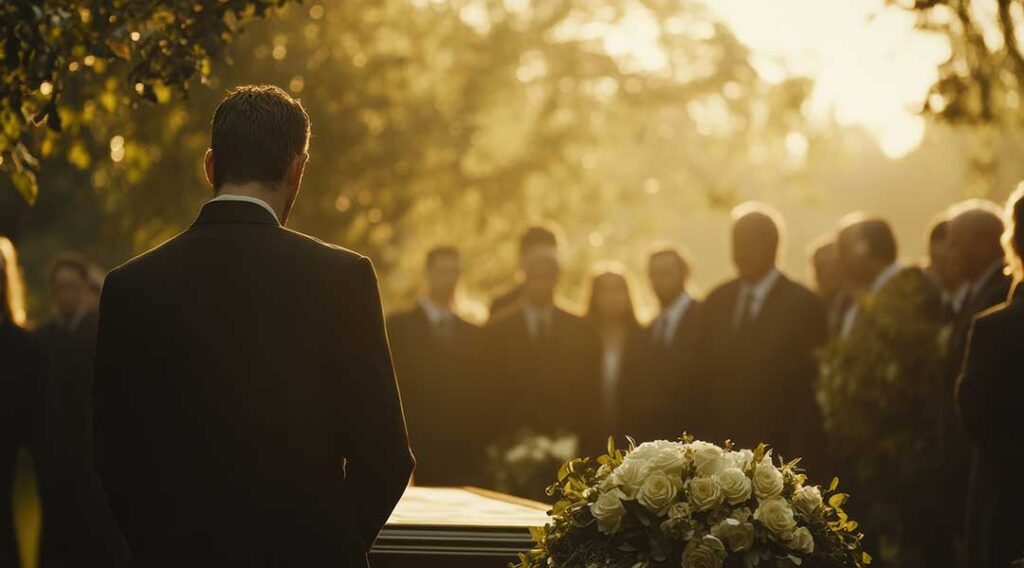
Funeral customs can feel unfamiliar, especially when a person is attending a service for the first time or supporting a grieving family. In Taylorsville, UT, respectful conduct usually comes down to a few fundamentals: arrive prepared, follow the family’s instructions, dress modestly, offer quiet support, and avoid making the gathering about personal opinions or family history.
What should guests wear to a funeral?
Guests should generally choose clean, modest, subdued clothing unless the family has requested a specific dress code. Traditional dark clothing is acceptable, but black is not required.
Appropriate choices often include:
- A simple dress, skirt, slacks, blouse, sweater, or collared shirt
- Neutral or muted colors such as navy, gray, brown, or dark green
- Comfortable, polished shoes suitable for walking or standing
- A modest jacket or coat during colder months
Bright colors, flashy patterns, athletic clothing, revealing outfits, and clothing with large slogans may draw attention away from the purpose of the gathering. Some families request colorful clothing because it reflects the personality of the person who died. In that situation, following the family’s wishes is more respectful than relying on general tradition.
Seasonal weather may also affect clothing choices. Winter conditions can make coats, boots, and extra travel time practical, while warmer months may call for breathable but still modest clothing. Outerwear should be removed or adjusted indoors when appropriate.
How early should someone arrive?
Arriving 10 to 15 minutes early is usually appropriate for a funeral or memorial service. This allows time to park, find the entrance, sign a guest book if one is available, and take a seat without interrupting the family or ceremony.
If the service includes a viewing, visitation, or receiving line, the expected timing may be more flexible. Guests can often arrive during the stated visitation period, spend a brief amount of time with the family, and leave when appropriate.
Late arrivals should enter quietly and sit in the nearest available seat rather than walking across the room. Phones should be silenced before entering. If a person is delayed because of weather, transportation, childcare, or another unavoidable issue, a quiet entrance is usually better than skipping the service entirely.
What should guests say to the family?
Simple, sincere words are usually best. A guest does not need to explain the loss or find a perfect phrase.
Helpful expressions include:
- “I am sorry for your loss.”
- “I am thinking of you and your family.”
- “Your loved one made a lasting impression on me.”
- “I remember how kind they were.”
- “I am here to support you.”
Specific memories can be meaningful, especially when they are brief and positive. For example, sharing a short story about the person’s humor, generosity, work ethic, or friendship may provide comfort.
Avoid statements that minimize grief or attempt to explain it, such as “Everything happens for a reason,” “At least they lived a long life,” or “You need to stay strong.” Even if intended kindly, these phrases can make someone feel pressured to stop grieving or view the loss in a particular way.
Questions about medical details, family disagreements, finances, or funeral expenses should not be raised during the service. Those subjects are private unless the family chooses to discuss them.
Is it acceptable to attend only the visitation or viewing?
Yes. Attending a visitation, viewing, or informal gathering can be a meaningful way to show support even if someone cannot attend the formal service. Work schedules, health concerns, transportation, caregiving responsibilities, and emotional limitations may make full attendance difficult.
A person who attends only part of the arrangements should still follow the family’s instructions. Some visitations are open and informal, while others may include a short ceremony, prayer, or designated time for family members. Quietly observing the setting helps guests understand what is expected.
Children may attend if the family welcomes them and they can reasonably participate. A child does not need to behave with adult-level stillness, but an accompanying adult should explain beforehand what will happen and step outside if the child becomes disruptive.
Should guests bring flowers, food, or a sympathy card?
A sympathy card is generally appropriate and can be especially valuable after the service, when public attention has decreased. A handwritten note describing a specific memory or offering continued support may mean more than a long message delivered in person.
Flowers, food, charitable gifts, or other gestures depend on the family’s preferences and cultural or religious customs. If an obituary or family notice requests donations, a different form of support may not be necessary. Some households may have limited space, allergies, dietary restrictions, or concerns about safely storing perishable food.
When bringing food, practical items that are clearly labeled and easy to serve may be more useful than elaborate dishes. However, food should never be treated as an obligation. A respectful message or quiet presence is enough.
What are the rules for phones and social media?
Phones should be silenced, put away, and used only when necessary. Taking photographs, recording video, or posting about the service should happen only with clear permission from the immediate family.
Even if other guests are taking pictures, that does not automatically mean everyone has consented. Grieving relatives may not want private moments, the casket, children, religious rituals, or emotional conversations shared online.
Do not tag family members, announce private details, or upload images before the family has communicated publicly. A funeral is not an appropriate setting for livestreaming, casual selfies, or unrelated conversations.
How should guests behave during religious or cultural rituals?
Guests should follow the lead of the family, officiant, or ceremony leader. Participation in prayer, standing, kneeling, singing, religious readings, or other rituals is usually optional unless specific instructions are given.
A respectful guest can remain quiet and attentive without imitating a practice that conflicts with personal beliefs. If uncertain, observing others discreetly is often enough. Questions about unfamiliar customs are better asked later and privately, not during the ceremony.
Religious and cultural traditions may affect clothing, seating, greetings, flowers, food, burial practices, and the length or structure of the gathering. There is no single correct funeral format, so assumptions should be avoided.
What should guests know about graveside services?
Graveside services may involve uneven ground, limited seating, wind, heat, cold, or wet conditions. Practical footwear and weather-appropriate clothing are helpful. Guests should remain near the designated area, follow instructions, and avoid walking over graves or funeral equipment.
If the family invites guests to participate in a final gesture, such as placing a flower or a small amount of earth, participation is voluntary. Guests should not handle ceremonial objects or move decorations without permission.
Children should remain close to the accompanying adult, and visitors should be mindful that sound carries easily in outdoor settings. Conversations should remain quiet until the service has clearly ended.
What etiquette matters after the funeral?
Support often matters most after the formal gathering is over. A brief message several weeks later can be more meaningful than repeated offers made immediately after the death.
Remember significant dates, check in without demanding a response, and respect the family’s privacy. If offering practical help, be specific rather than saying only, “Let me know if you need anything.” An offer such as preparing a meal, collecting mail, or helping with transportation is easier to accept or decline.
Grief does not follow a fixed schedule. Continued patience, discretion, and respect for the family’s customs are among the most reliable forms of funeral etiquette.