
What Are the Main Types of Funeral Services?
Families in Taylorsville, UT often have questions about what funeral service options are available and how they differ. The most common options include traditional funerals, memorial services, graveside ceremonies, and cremation-focused gatherings. Each approach serves to honor a life in a way that matches cultural traditions, religious practices, or personal preferences.
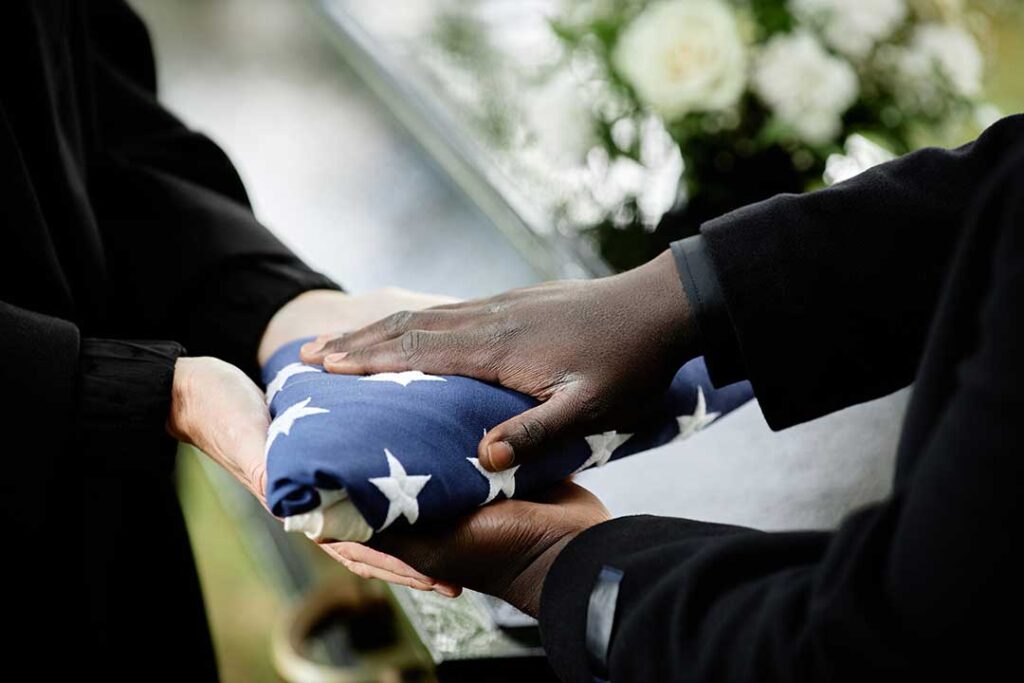
Traditional Full-Service Funerals: This is the form many residents picture first. It usually includes a viewing or visitation, followed by a formal funeral ceremony (often involving religious or spiritual elements), and a graveside committal at a cemetery. In the community, this type of service gives friends and neighbors the chance to gather, share condolences, and observe established customs that may be meaningful to local families.
Memorial Services: Unlike traditional funerals, memorial services typically take place without the body present. They can be scheduled days or even weeks after passing. This flexibility helps families accommodate travel schedules, gather relatives from different states, or plan around weather—an especially relevant consideration during Taylorsville's snowier months. Memorial services can be held at a place of worship, a community hall, or even a private home.
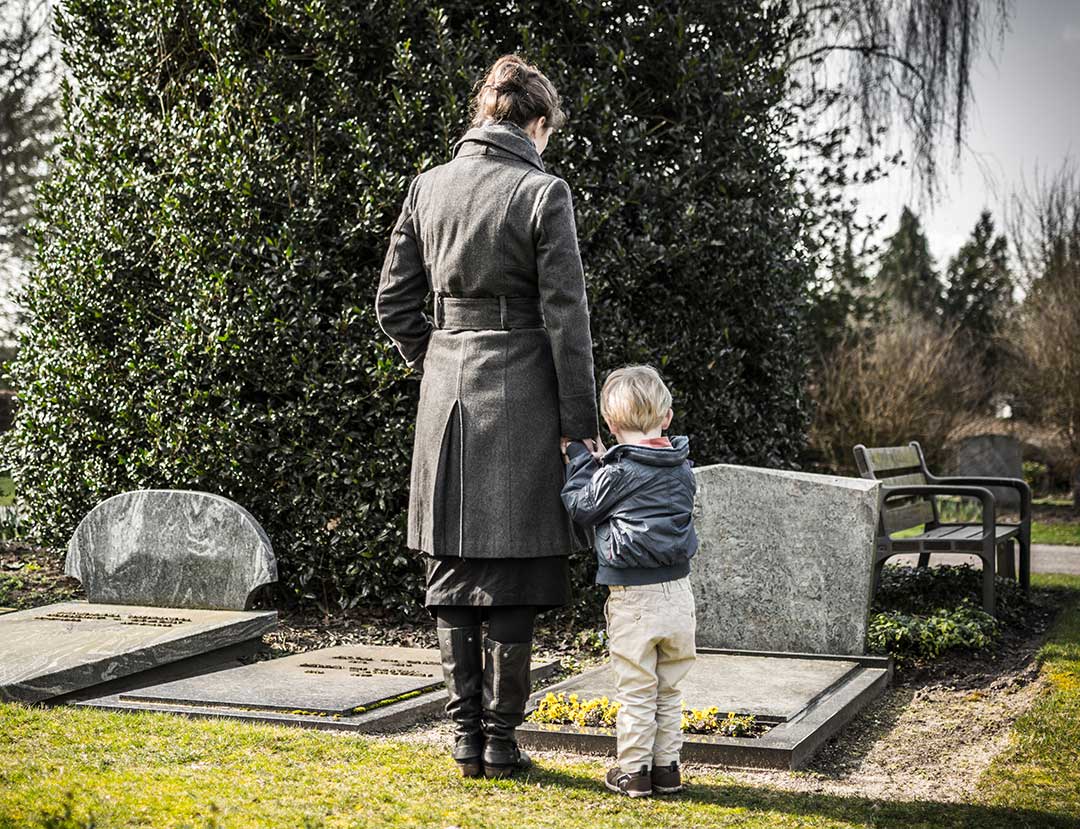
Graveside/Burial Services: For some families, a simple ceremony at the graveside is preferred. This may be chosen for religious reasons, as an environmentally friendly option, or just for its simplicity. The service can be intimate, attended by only a few people, or open to the broader community. In Taylorsville, winter weather can affect timing and logistics for these ceremonies, prompting some families to plan either morning services (to avoid afternoon chill) or schedule around winter storms.
Direct Cremation or Immediate Burial: Some households opt for minimal ceremony with a direct cremation or immediate burial, followed by a later gathering or none at all. These choices often focus on privacy, practicality, or budget. Direct cremation means there is no viewing or service with the body present before cremation. Immediate burial usually takes place without a public service or with only a brief committal.
What Decisions Are Involved When Choosing a Funeral Service?
Selecting among these formats involves a few practical and personal considerations. The most common include:
- Religious or cultural beliefs: Some traditions in Taylorsville call for specific customs. For instance, certain faiths prescribe burial within a short period, while others leave more room for scheduling.
- Family wishes and personal values: Some people prefer a large gathering, others a quiet, private remembrance.
- Budget and financial planning: Each type varies in cost, with direct cremation and graveside-only services often being less expensive.
- Weather and travel logistics: Winter roads and school schedules in the city can influence the timing or location of a service.
- Cemetery or memorial site preferences: Residents may wish to use family plots or local cemeteries with specific guidelines.
Managing these choices can seem overwhelming, especially when made quickly. Some families plan ahead or talk through wishes before a loss occurs, easing stress during emotional times.
How Do Cremation Services Differ from Burial Services?
The central difference is what happens to the body: cremation reduces remains to ashes, while burial involves interment of the body in a casket. Here’s how this impacts service formats:
- Cremation allows flexible scheduling: Memorials can be held once relatives are able to gather, avoiding challenges with winter roads or busy holidays in Taylorsville.
- Ashes can be kept, scattered, or buried: Some households choose to keep urns at home, place them in a columbarium, or bury ashes in a cemetery plot. Local rules may limit scattering in public spaces, so it’s wise to check regulations.
- Burial generally involves more formal steps: These often include preparation of the body, casket selection, and securing a gravesite. Some faiths in the community have specific requirements about embalming, clothing, and timing for burial.
- Environmental preferences: Some local residents consider both options from a “green burial” perspective, looking for the approach with the least impact according to personal values.
Are Green or Alternative Funerals Available Here?
Interest in green or natural burial is growing in the city. Green burials use biodegradable caskets or shrouds and involve little or no embalming. Some local cemeteries allow for a more natural approach, marking graves with simple stones or native plants instead of large monuments.
Other residents explore options such as:
- Simple home memorial gatherings
- Aquamation (alkaline hydrolysis), though not always available locally
- Memorial planting or tree dedications in lieu of traditional monument markers
It’s important to confirm that cemeteries and local ordinances support these choices.
Can Funerals Be Personalized for Individual Beliefs or Lifestyles?
Ceremonies can reflect the personality and beliefs of the person who has died. Some families in Taylorsville include hobby displays, military or community service recognition, or incorporate meaningful music and readings that tell the story of a life.
Common personalization examples include:
- Displaying family photos, favorite books, or art
- Religious or spiritual rituals
- Involvement of community groups or faith leaders
- Gathering in a favorite local spot (with permission)
Families are not limited to a single format and often blend elements to create a unique event.
What Should Local Residents Ask When Deciding on Funeral Services?
The right questions help families make choices that feel respectful and fitting. Consider asking:
- What type of ceremony feels meaningful to those closest?
- Is there a preferred location within the city, such as a specific cemetery or place of worship?
- Will weather or access issues affect who can attend?
- Are there community or cultural traditions to honor?
- Are costs and practical arrangements manageable for all involved?
By focusing on what fits a family’s traditions, values, and circumstances, area households can plan services that truly honor and remember a loved one, regardless of the format chosen.