
Funeral customs reflect how communities understand death, family, spirituality, and remembrance. Although practices differ widely, most traditions help people acknowledge loss, honor the person who died, support mourners, and maintain a connection between the past and the living community.
For residents of Taylorsville, UT, learning about these customs can be useful when attending a service rooted in a different faith or cultural background. It can also help families make thoughtful decisions when planning a funeral that includes multiple traditions.
Why do funeral traditions differ around the world?
Funeral traditions develop from a combination of religion, geography, family structure, history, and local law. Climate and available land have influenced whether communities favor burial, cremation, exposure, or other practices. Religious beliefs often shape ideas about the body, the afterlife, mourning periods, and appropriate ceremonies.
Family customs also change over time. Immigration, interfaith marriages, military service, education, and changing household patterns may bring several traditions into one funeral. A family may combine a formal religious service with a secular remembrance gathering, for example.
There is no single universal way to grieve. Even within one faith or cultural group, practices vary by family, generation, and personal preference.
How did ancient societies care for the dead?
Some of the earliest known funeral customs involved preparing the body, providing objects for the next life, and marking a permanent resting place. Ancient communities used burial mounds, tombs, cremation, natural caves, and other methods depending on their beliefs and resources.
In ancient Egypt, elaborate preservation and tomb rituals were connected to beliefs about the afterlife. In ancient Greece and Rome, funerals could include processions, offerings, speeches, and memorial structures. Some societies buried people with tools, jewelry, food, or objects associated with social status.
These practices show that funerals have long served two purposes: caring for the dead and communicating something about the person’s identity, relationships, and place in the community.
What role does religion play in funeral customs?
Religion often provides the framework for what happens before, during, and after death. It may guide washing or dressing the body, the timing of burial, prayers, music, readings, food, and the length of the mourning period.
Examples include:
- Christian traditions: Services may include scripture, hymns, prayers, a sermon, and a committal at a graveside or cremation site. Customs vary widely among denominations.
- Jewish traditions: Many families emphasize prompt burial, simple preparation, structured mourning, and community support. Practices may include sitting shiva, a period in which mourners receive visitors and remember the deceased.
- Islamic traditions: Washing and shrouding the body, funeral prayer, and burial are central practices. Families may observe specific expectations concerning modesty, timing, and the direction of burial.
- Hindu traditions: Cremation is common, with prayers, offerings, and rituals intended to support the soul’s transition. Customs vary according to region, family, and religious tradition.
- Buddhist traditions: Services may include chanting, meditation, offerings, and teachings about impermanence. The timing and form of ceremonies differ among Buddhist communities.
- Indigenous traditions: Many Indigenous nations have distinct practices involving family roles, sacred objects, land, songs, storytelling, and community responsibility. These customs should not be treated as interchangeable.
A religious label does not always predict every family’s preferences. Asking respectful questions is generally better than making assumptions.
Why are wakes, viewings, and home vigils common in many cultures?
A wake, viewing, or vigil gives mourners time to gather near the person who died. These customs can help family members accept the reality of death, offer condolences, share memories, and provide practical support.
In some traditions, the body remains at home for a period of time. In others, relatives and friends visit at a designated location before the funeral service. Some families prefer an open-casket viewing, while others choose a closed casket, cremation urn, photograph, or symbolic object.
The purpose is not always the same. A viewing may be religious, social, private, or a combination of these. Families may also limit attendance to close relatives or hold a public gathering later.
How do different cultures express mourning?
Mourning can be expressed through clothing, food, music, silence, prayer, storytelling, or periods of restricted activity. Black clothing is common in many Western traditions, but it is not universal. White, red, or other colors may have special meaning in different communities.
Some families observe a formal mourning period lasting several days, weeks, or longer. Others return to daily routines quickly while continuing to grieve privately. In some cultures, loud expressions of sorrow are expected and supported. In others, quiet reflection is more typical.
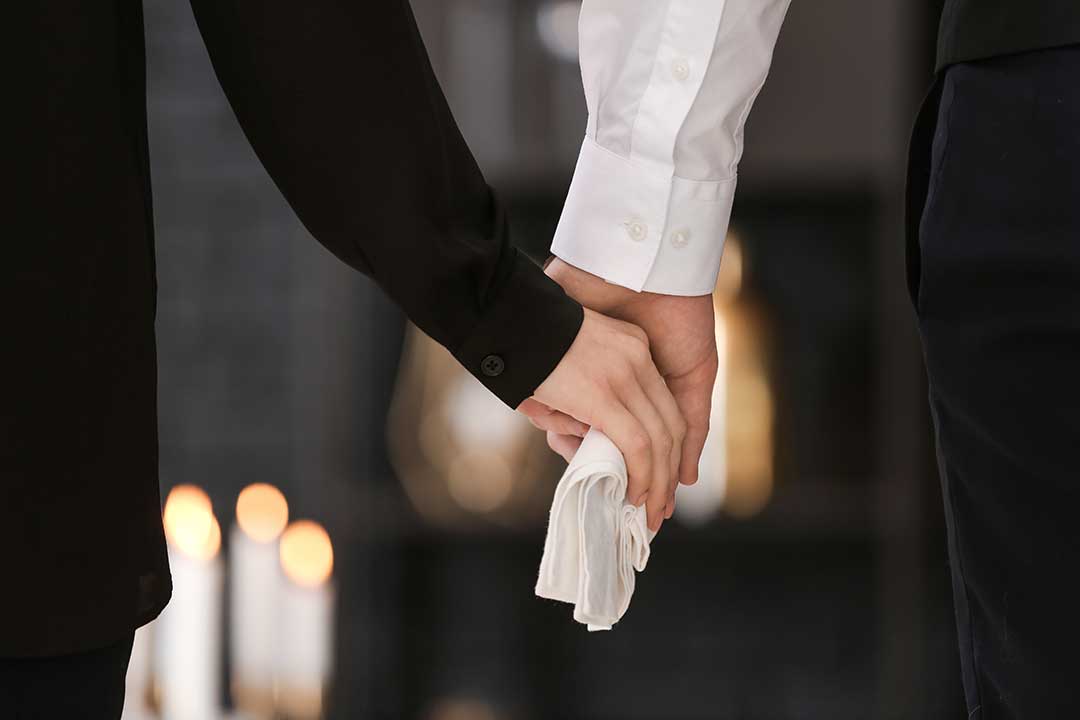
Funeral etiquette should be understood as culturally specific. A person who is unfamiliar with a tradition can usually participate respectfully by dressing modestly, following the family’s instructions, silencing electronic devices, and allowing mourners to set the tone.
Why do some traditions include food and community gatherings?
Food is one of the most common ways communities support grieving families. Shared meals may follow a funeral, occur during a mourning period, or be prepared by relatives and neighbors.
These gatherings provide more than nourishment. They create time for conversation, storytelling, practical assistance, and emotional support. In many cultures, preparing specific foods is itself a memorial practice connected to family history.
For households in Taylorsville, seasonal weather and housing arrangements may affect how a gathering is organized. Winter conditions can influence travel and attendance, while smaller homes or multifamily living arrangements may lead families to divide gatherings into several settings.
How have cremation and burial traditions changed?
Burial was historically common in many societies, but cremation has become an accepted practice in numerous religious and secular communities. Families may choose cremation because of personal beliefs, environmental concerns, cost considerations, available land, or a desire for flexible memorial arrangements.
Cremation does not eliminate the need for a funeral or remembrance ceremony. A family may hold a service before cremation, gather afterward with an urn present, place cremated remains in a cemetery, scatter them where permitted, or keep them in a meaningful location.
Burial also remains important for families who value a permanent place to visit, religious requirements, ancestral connection, or traditional symbolism. Decisions may involve cemetery rules, local regulations, transportation, weather, and the wishes of the person who died.
What should someone do when attending an unfamiliar funeral?
Respectful behavior begins with recognizing that the family’s customs may not match personal expectations. Guests should follow instructions about clothing, seating, photography, participation, food, and whether children may attend.
If uncertain, a brief question to a close family member or the ceremony’s designated organizer can prevent accidental disrespect. It is also acceptable to observe quietly rather than participate in a prayer, ritual, chant, or offering that conflicts with personal beliefs.
The most helpful response is usually simple: arrive on time, listen, express sympathy, and give the family room to grieve in its own way.
How can families combine traditions respectfully?
Families with multiple cultural or religious backgrounds often create a sequence of events rather than forcing every practice into one ceremony. For example, a private religious ritual may be followed by a broader memorial gathering with readings, music, photographs, or shared food.
A written plan can clarify which customs are essential, who is responsible for each ritual, and which elements are optional. Families may also need to discuss timing, cemetery or cremation requirements, accessibility, transportation, and the preferences of children or older relatives.
The central question is not whether a funeral follows one traditional model. It is whether the ceremony treats the person with dignity and gives mourners a meaningful way to gather, remember, and support one another.