

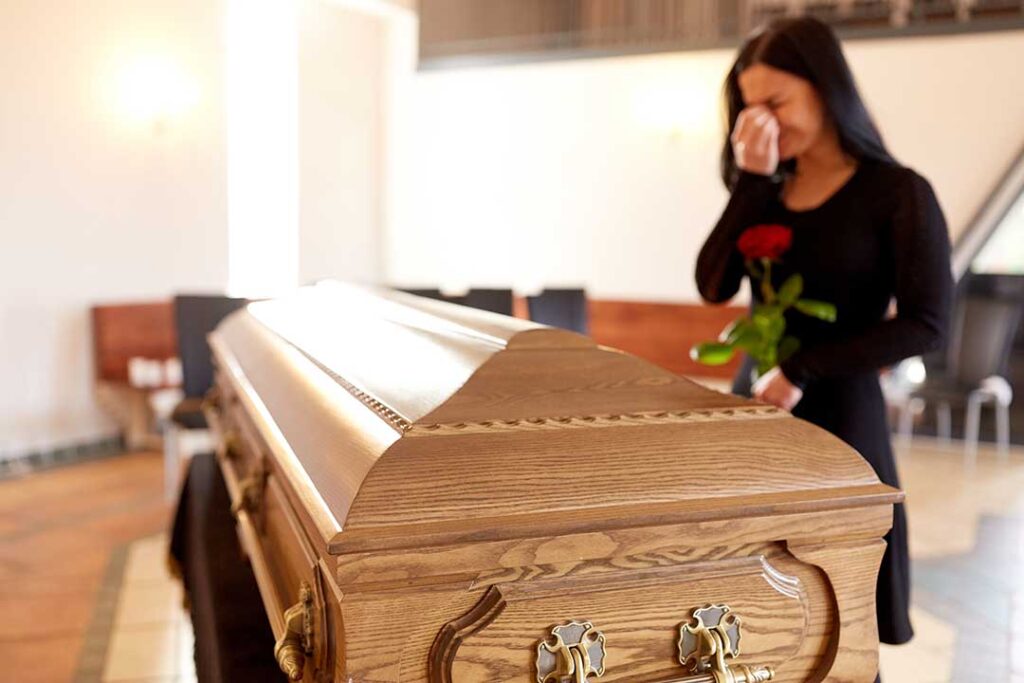
What Role Do Rituals Play in Grief and Emotional Healing?
Rituals offer structure and meaning during bereavement, providing a path for individuals and families to process loss. In Taylorsville, UT, where many households value a sense of community and connection, these practices help people express emotions, share memories, and feel supported as they mourn.
Rituals may include funerals, memorial services, religious ceremonies, or simpler acts like lighting a candle or gathering for a shared meal. These traditions can bring comfort through familiarity and anchor mourners during unpredictable emotions. By providing opportunities to publicly acknowledge a loved one’s life, rituals support the natural grieving process and create a foundation for long-term healing.
Why Are Rituals Meaningful in a Diverse Community Like Taylorsville?
Rituals bridge cultural, religious, and personal differences, allowing individual expression while also uniting families and neighbors. In an area like Taylorsville, where the community includes people from varied backgrounds, rituals take many forms but share the purpose of honoring a life and offering a sense of support.
Some families may observe traditional faith-based practices, while others prefer secular or highly personalized ceremonies. What matters most is that the ritual feels authentic to those participating:
- Cultural traditions can reinforce family identity and continuity across generations.
- Spiritual elements may offer reassurance aligned with personal beliefs.
- Personalized tributes—such as sharing favorite music, stories, or hobbies—create moments of connection and celebration.
Even small, private rituals can be powerful, such as planting a tree in memory of a loved one or creating a scrapbook together. These acts help channel grief into meaningful remembrance.
How Do Rituals Support Coping with Loss?
Rituals provide emotional support by creating a safe space for expressing grief, receiving sympathy, and reflecting on memories. This structure can be especially grounding for area families, who may appreciate organized gatherings amid the routine of daily life.
Key ways rituals help with coping include:
- Breaking the isolation that often follows loss by bringing people together
- Giving permission to mourn openly without judgment
- Creating touchstones in the weeks and months after the funeral, such as anniversaries or candlelight vigils
Many find that repeated, familiar gestures—reciting prayers, reading letters, or displaying photographs—can make feelings of sadness and longing more manageable over time.
What Are the Common Misconceptions About Funeral and Memorial Rituals?
Many people assume that rituals must be elaborate or strictly defined by tradition. In reality, rituals can be both simple and flexible, shaped by the unique needs of each family.
Common misconceptions include:
- "Rituals are only for religious families."
In practice, both secular and religious households benefit from ceremonies that invite participation, storytelling, and acknowledgement of loss.
- "You must do what others expect."
Authentic rituals are those that comfort and support mourners, whether following custom or invented together.
- "Skipping a ritual avoids pain."
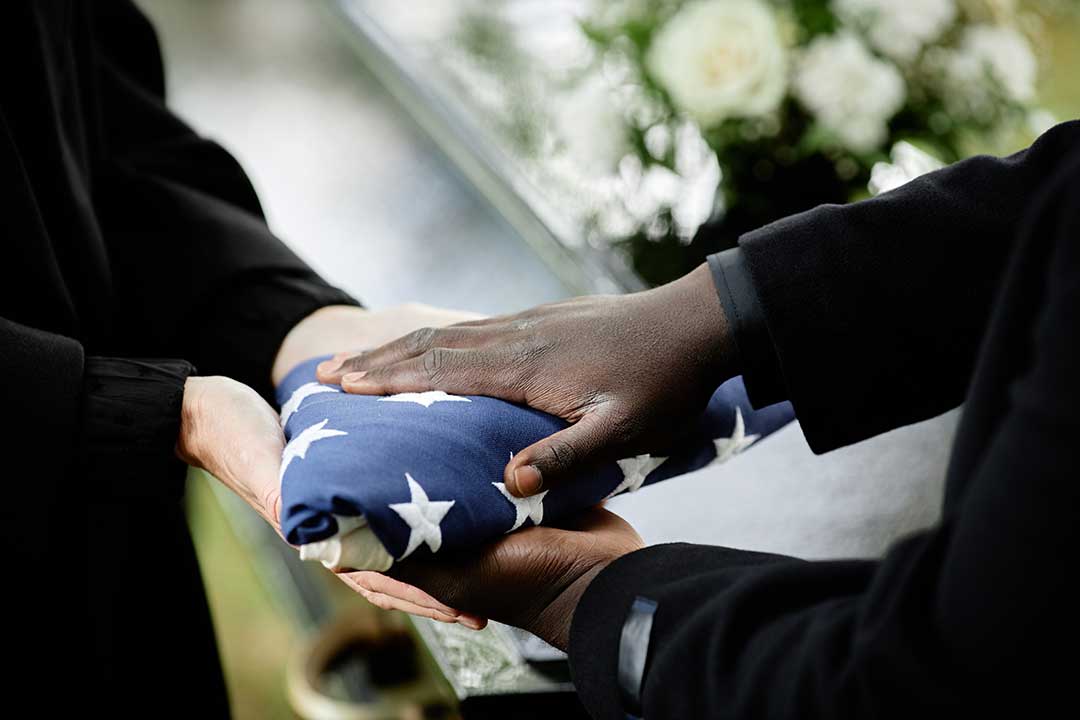
Avoiding rituals may seem easier at first, but these acts can help process grief and reduce feelings of regret later on.
Taylorsville residents often adapt elements of different traditions or create new ones that better reflect loved ones’ personalities and family values.
What Can Residents Do When Rituals Feel Overwhelming or Unfamiliar?
Grief may dull interest in planning or participating in rituals. If events feel overwhelming, it’s acceptable to pare down activities or choose more private observances.
Some suggestions for those feeling uncertain include:
- Attending as an observer first to become comfortable with the proceedings
- Modifying customs to focus on what feels most meaningful, rather than striving for perfection
- Involving children or teens in simple rituals, such as writing letters, to help them feel included and supported
In communities like Taylorsville, neighbors and local networks often help ease the process by sharing experiences or stepping in to lead aspects of a service.
Are There Specific Local Considerations for Rituals in Taylorsville Households?
Local climate, community spaces, and common housing arrangements can shape how rituals are conducted.
- Seasonal weather: Outdoor gatherings, such as remembrance walks or graveside services, often require planning for Utah’s variable weather, from hot summers to snowy winters. Indoor community spaces or homes offer alternatives.
- Community connections: Neighborhood groups, religious congregations, or local clubs sometimes play supportive roles, helping with logistics or providing meals after gatherings.
- Household patterns: Many local families have multi-generational households, where rituals may serve as occasions for reconnecting and sharing memories across age groups.
Even in less formal settings, the act of routinely gathering—such as preparing a family member’s favorite dish on a special date—becomes a cherished ritual over time.