

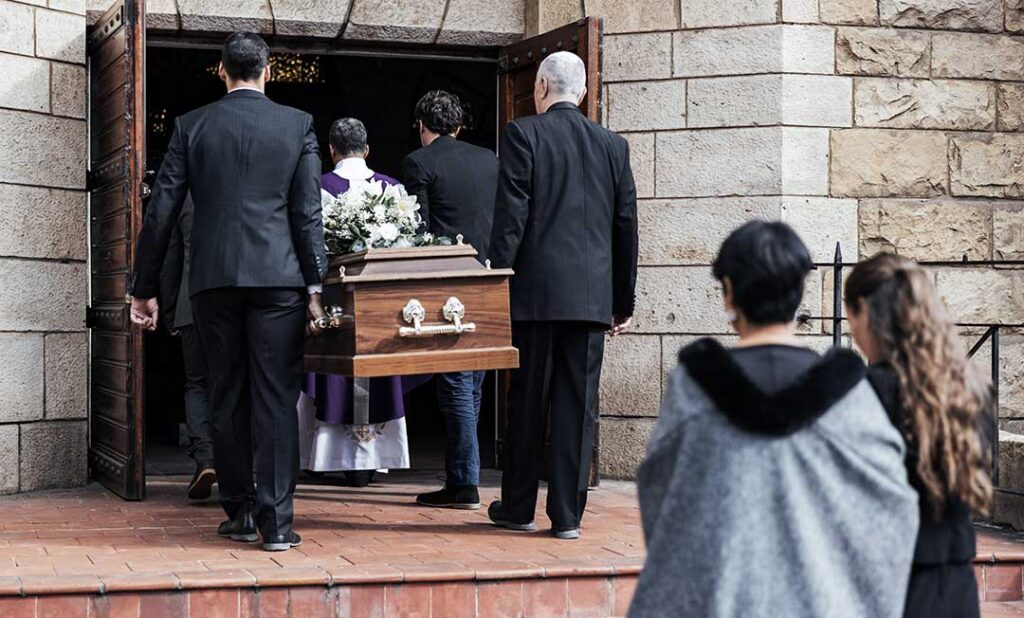
Planning a funeral can feel overwhelming, especially when decisions must be made during grief. A clear process helps families handle legal requirements, choose meaningful services, understand costs, and avoid rushing into purchases they do not need.
What should happen first after a death?
The first step is to confirm who has authority to make arrangements and determine whether the deceased left instructions, a prepaid plan, a will, or written preferences. Funeral wishes may also appear in personal records, insurance documents, military papers, or digital accounts.
If the death occurred at home, in a hospital, or in a care facility, ask what documents and authorizations are required before the remains are transferred. Utah requires a burial transit permit before remains are removed from the place of death. A death certificate must generally be filed within five days and before final disposition. Cremation or removal of remains from Utah also requires a cremation permit and review by the Office of the Medical Examiner. ([vitalrecords.utah.gov](https://vitalrecords.utah.gov/death?utm_source=openai))
Families may legally handle some arrangements without a licensed funeral director, but doing so requires compliance with Utah filing, transportation, and disposition rules. Because paperwork and timing can be difficult during bereavement, many families assign one person to organize documents and communicate with government offices, cemeteries, clergy, and relatives.
How do you decide between burial, cremation, and other options?
The decision should begin with the deceased person’s wishes, religious or cultural traditions, family needs, and available cemetery or crematory arrangements. Common choices include:
- Traditional burial with a visitation and funeral service
- Immediate burial without a public viewing
- Cremation followed by a funeral or memorial service
- Direct cremation followed by a later gathering
- A private family viewing
- Donation of the body for scientific or medical purposes, when eligibility requirements are met
A funeral service and the method of disposition are separate decisions. For example, a family may choose cremation and still hold a religious service, visitation, graveside gathering, or memorial ceremony.
Cremation does not require a traditional casket under the federal Funeral Rule. Providers offering cremation must make an alternative container available, such as an unfinished wood or fiberboard container. Routine embalming is also not required by law in every death, although viewing arrangements, transportation, medical circumstances, or provider policies may affect available options. ([consumer.ftc.gov](https://consumer.ftc.gov/articles/funeral-costs-pricing-checklist?utm_source=openai))
How can a family choose a funeral provider?
Compare services before making a final decision, even if time is limited. A family may ask for information by phone and request prices for a basic arrangement, direct burial, direct cremation, transportation, embalming, visitation, service facilities, staff, and merchandise.
When visiting a funeral provider, ask for the General Price List. The Federal Trade Commission requires funeral providers to provide an itemized price list, and providers must give price information over the telephone when requested. Families may select individual goods and services rather than accepting an all-inclusive package. ([consumer.ftc.gov](https://consumer.ftc.gov/articles/choosing-funeral-provider?utm_source=openai))
Useful questions include:
- What is included in the basic services fee?
- Is transportation included, and from where?
- Are filing fees, permits, or death certificates included?
- Is refrigeration available instead of embalming?
- What is the least expensive burial or cremation option?
- Are there separate charges for weekends, holidays, evening services, or extended visitation?
- Can the family provide its own casket, urn, clothing, or memorial materials?
- What fees are paid to a cemetery, crematory, clergy member, musician, newspaper, or florist?
Ask for a written statement showing every selected item, its price, outside charges, and the total before payment is made. This makes it easier to identify optional services and avoid misunderstandings.
What costs should be included in the budget?
A funeral budget should cover more than the service itself. Possible expenses include:
- Basic funeral provider services
- Transportation and care of the remains
- Embalming or other preparation
- A casket, urn, or alternative container
- Use of a viewing room or chapel
- Staff and equipment for a graveside service
- Cemetery plot, interment rights, or mausoleum space
- Opening and closing the grave
- A vault or grave liner, if required by the cemetery
- Death certificates and permits
- Clergy, officiant, musicians, or speakers
- Obituary notices, flowers, printed programs, and catering
- Marker, monument, engraving, or placement
A cemetery may have its own charges and rules separate from the funeral provider. Taylorsville’s municipal cemetery regulations address interment, records, memorials, decorations, visitation, and other cemetery procedures. Current fees can change, so families should verify charges directly through the applicable municipal schedule or cemetery records before relying on an older document. ([taylorsvilleut.gov](https://www.taylorsvilleut.gov/home/showdocument?id=7545&t=637908887647793172&utm_source=openai))

A vault or grave liner is not required by state law, but a cemetery may require one as a condition of burial. The requirement should be identified in writing rather than assumed to apply to every cemetery or burial type. ([consumer.ftc.gov](https://consumer.ftc.gov/articles/funeral-costs-pricing-checklist?utm_source=openai))
How should the funeral service be planned?
After disposition and budget decisions are made, plan the gathering around what will be meaningful and manageable for the family. A service may include a formal eulogy, readings, prayers, music, photographs, military honors, shared memories, or a quiet period for visitation.
Consider practical details such as:
- Who will lead or officiate?
- Which relatives or friends will speak?
- Where will guests park and enter?
- Is the space accessible for older adults or people with disabilities?
- Will the service be indoors or outdoors?
- Is livestreaming needed for relatives who cannot attend?
- Who will collect photographs, write the obituary, and prepare printed materials?
- Who will receive flowers, donations, personal belongings, or condolence cards?
Seasonal weather can affect attendance and outdoor arrangements. Hot summer conditions, winter cold, snow, and limited daylight may influence the timing, clothing, transportation, and length of a graveside gathering. A backup indoor location can be useful when weather is uncertain.
What documents and personal information should be gathered?
Prepare a folder—paper or digital—with the information needed for legal, financial, and memorial tasks:
- Legal name and date of birth
- Social Security information
- Marriage, divorce, or military records
- Insurance policies and employer benefits
- Cemetery deeds or interment documents
- Will, trust, power of attorney, or funeral instructions
- Names of close relatives and authorized decision-makers
- Preferred clergy, speakers, or cultural leaders
- Recent photograph and obituary information
- Account details for utilities, housing, vehicles, and digital services
Order several certified copies of the death certificate if they will be needed for insurance, property, banking, veterans’ benefits, or other legal matters. The number required varies by situation, so it is reasonable to ask each institution whether an original certified copy is necessary.
What common mistakes should families avoid?
The most common problems are making decisions before identifying the deceased’s wishes, overlooking cemetery fees, assuming a package includes every expense, and purchasing merchandise before reviewing written prices.
Families should also avoid treating a funeral as a single mandatory format. A meaningful gathering can be formal or simple, held immediately or later, and arranged around the family’s religious, cultural, financial, and emotional needs. Careful documentation, shared decision-making, and a written itemized statement provide structure during a difficult period.