
What Does “Eco-Friendly” Mean for Funerals?
Eco-friendly funerals focus on reducing the environmental impact of end-of-life arrangements. For local residents, this usually means choosing options that involve fewer chemicals, less energy use, and more natural materials. In practical terms, this could involve everything from burial methods to the physical items and sites involved.
Why Are Residents Exploring Greener Funeral Options?
People in Taylorsville are turning to more sustainable funeral practices for a range of reasons: concern for the environment, family traditions, religious beliefs, or simply a desire for simplicity. Some are also motivated by the wish to leave as little an environmental footprint as possible, especially given the area’s appreciation for its parks, greenbelt corridors, and seasonal changes.
What Are the Most Common Green Burial Methods?
Direct green burial and natural burial are two of the most recognized eco-friendly choices. The primary goal is to return the body to the earth with minimal processing.
- Green Burial: The body is placed in a biodegradable shroud or untreated wooden casket and buried in a designated green cemetery area. This method avoids embalming and concrete vaults and is compatible with the area’s dry climate and native plant life.
- Natural Burial: Similar to green burial, but often includes efforts to restore native habitats or landscapes at the burial site.
Local terrain and regulations may limit the availability and feasibility of certain methods. For instance, not all cemeteries in or near Taylorsville currently offer green sections, so planning is sometimes required.
Are Cremation and Aquamation Eco-Friendly Choices?
Cremation is often viewed as a less impactful option than traditional burial, though it still uses energy and releases emissions. Some families choose this for reasons of simplicity or space conservation, especially considering local soil and land limitations.
Aquamation, or alkaline hydrolysis, is emerging as another alternative. It uses water and a gentle chemical process rather than fire, resulting in less air pollution. However, availability can be limited depending on state regulations and local facility practices.
How Do Utah Regulations Affect Eco-Conscious Funerals?
Utah law does not prohibit green burial, but it does require burial records to be maintained and basic public health standards followed. Embalming is not necessary unless there will be a significant delay or the body is transported across state lines, which aligns with simpler, more natural burials.
In the area, climate is a practical consideration—water conservation, soil type, and preservation of open spaces matter in local decision-making, both on private family plots and in formal cemeteries.
What About Natural Markers or Memorials?
Traditional gravestones are not required for all burial sites. In designated green cemeteries or private land burials, families often use natural markers, such as local river stones, plantings of native trees or shrubs, or even GPS coordinates.
These approaches:
- Blend with the surrounding landscape
- Avoid quarrying and transporting stone
- Encourage restoration of habitat rather than altering it
Residents interested in these choices should review property and cemetery guidelines, as not all locations allow for these modifications.
Can Funeral Supplies Be Eco-Friendly, Too?
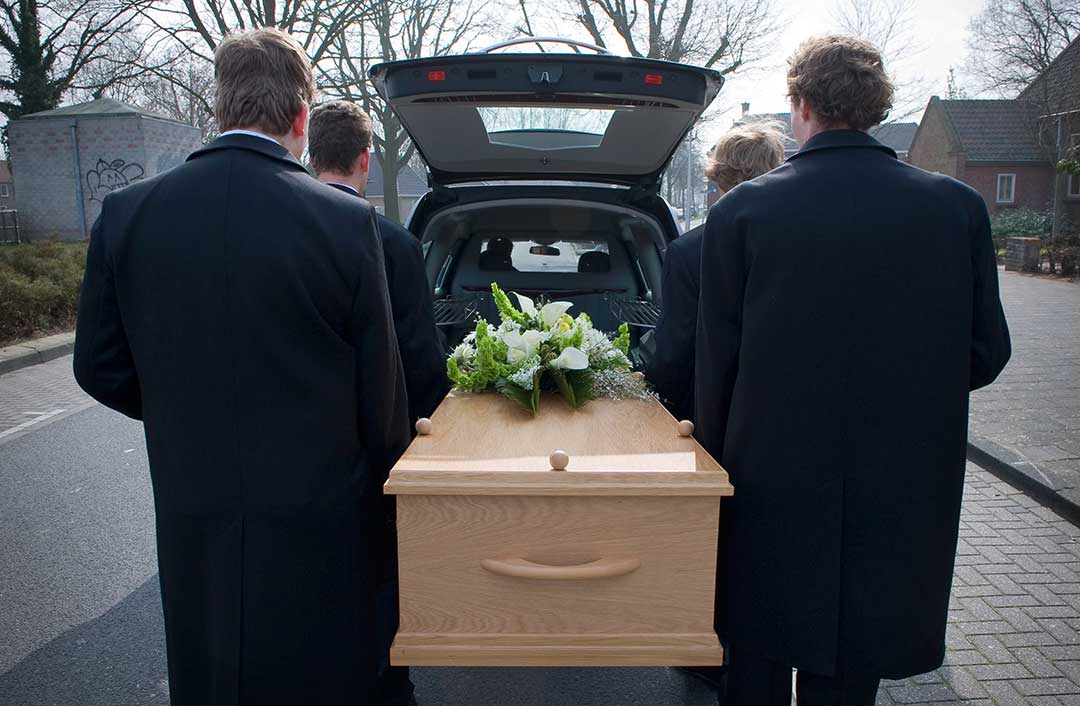
Materials make a difference in the overall footprint. Some options to consider include:
- Plain pine caskets or woven willow, bamboo, or seagrass baskets
- Cotton, linen, or wool shrouds instead of synthetic materials
- Avoiding burial vaults or liners, when regulations permit
By using biodegradable, non-toxic materials, area households can further minimize the environmental impact. Be aware that certain items marketed as “green” may still include hidden chemicals or imported materials—always check for natural composition and local sourcing when possible.
Are There Misconceptions About Green Funerals?
Many people believe eco-friendly funerals must be more expensive or less dignified than traditional options. In reality, some choices (like forgoing elaborate vaults or embalming) can reduce costs. Local families sometimes also assume these options are not available or practical for the climate, but many sustainable practices are well suited to local seasonal cycles and land conditions.
It’s also a misconception that green burials are less regulated or less respectful. Green sections of cemeteries are required to meet the same standards for recordkeeping and maintenance as other areas.
How Can Area Residents Plan for a Greener Farewell?
Planning ahead is the most effective way to ensure eco-friendly wishes are carried out. Begin by learning about which cemeteries and options are available locally, discuss your preferences with family, and document them clearly in advance directives or written instructions. Consider factors such as:
- The types of materials you wish to use
- Specific instructions about embalming or caskets
- Preferences for grave markers or memorials
Awareness and conversation within the family can help ensure that choices align with both personal values and local practices for the Taylorsville community.